
Renovating your toilet, while complying with regulations, on a small sailboat isn’t easy. Limited space often prevents the installation of a holding tank. So what are the alternatives?
The management of black water (toilet wastewater) and gray water (dishwashing water, shower water) has become a central issue for boaters. Under pressure from European regulations and protected areasCoastal cruising is entering a new era: that of autonomous and clean boatcapable of leaving nothing behind.
For the sailboats under 9 metersThe installation of black and grey water tanks is often complicated, expensive, or even impossible due to lack of space. Yet, the obligations are multiplying:
- Discharges are prohibited within 3 miles of the coastline. (MARPOL Annex IV rule).
- Increased controls in European ports from 2026, with fines for non-compliance.
- Sensitive areas (Arcachon Basin, Porquerolles, Gulf of Morbihan,…) where sometimes any rejection is prohibited, regardless of the type of boat.
But in all cases, beyond the regulations, navigating in an environmentally friendly wayand coexisting intelligently in the anchoragesis still more intelligent. In this context, remove the drain valves and opt for solutions eco-friendly and suitable for small spaces becomes a necessity. But what alternatives exist for smaller sailboats?
Key takeaways: constraints and opportunities
The challenges
- Limited space Installing a black water tank on a sailboat under 9m is often unrealistic (weight, volume, cost).
- Strict regulations The discharges are prohibited within 3 coastal miles and in protected areas.
- Interview Conventional systems (tanks + pumps) require a regular cleaning and dump stations accessible.
The advantages to be seized
- Simplification Fewer valves = less risk of breakdown or leaks.
- Ecology Reducing one’s environmental impact is a image asset and one legal obligation.
- Autonomy Waterless and electricity-free solutions exist, ideal for… small sailboats.
Three eco-friendly solutions to replace your marine toilet
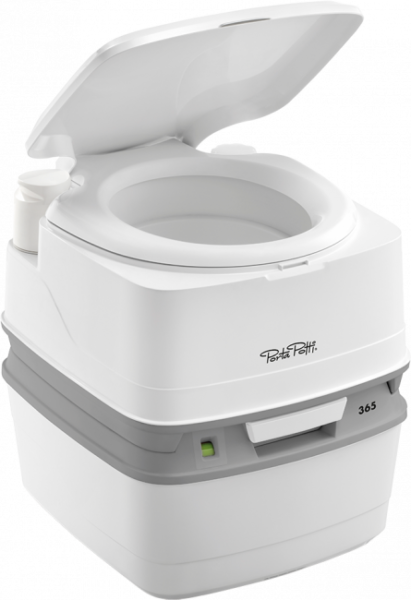
1. Chemical toilets: the simple and mobile solution
Ideal for Sailboats with little spacenavigation coastal or occasional.
Functioning
- Portable system Removable tank (10 to 20 L) with chemicals which break down waste and neutralize odors.
- Drain To be carried out in dedicated stations (ports, service areas).
- Suitable models : Dometic 972 (lightweight, 5.4 kg) Porta Potti 335 (compact, 14 L) Thetford C260 (increased comfort).
Benefits
✅ No fixed installation It can be stored in a cupboard or under a bench.
✅ Affordable price : Between €100 and €300 depending on the models.
✅ Autonomy : Until 50 uses before draining (depending on the size).
✅ Hygiene The chemicals limit odors and bacteria.
Disadvantages
❌ Chemicals : Some are harmful to the environment (preferably the versions biodegradable).
❌ Mandatory oil change Requires a access to a pumping station.
❌ Weight : A full tank can be heavy to handle.
Advice
- Choose a model with filling indicator.
- Use ecological products (ex. : Thetford Aqua-Kem Green).
- Provide a waterproof storage to prevent leaks.
2. Dry toilets with separation (Trobolo type): the 100% eco-friendly solution
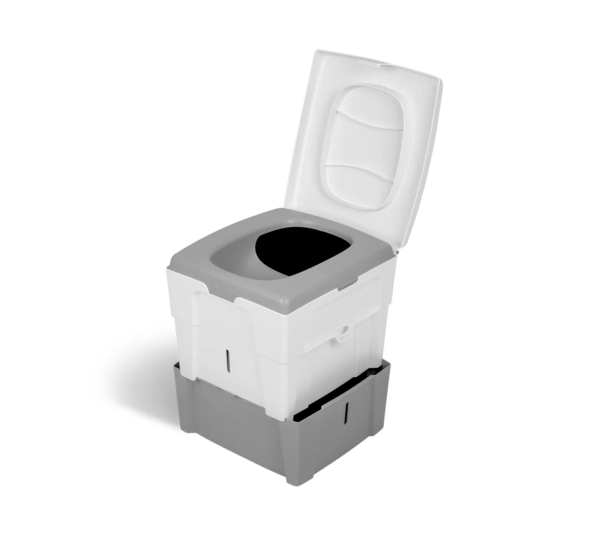
Ideal for Boaters committed to a zero waste approach, the sailboats without electricity.
Functioning
- Waste separation Urine is evacuated in a jerrycan (to be emptied into toilets on land or at sea) beyond 12 miles), while solid materials are composted in a bucket with plant litter (sawdust, wood shavings).
- Flagship models : Trobolo WandaGo (4.7 kg, ultra-compact), Trelino (wooden design).
- Interview :
- Urine Oil change every 2-3 days (according to custom).
- Solids : Composting during 4-6 weeks before elimination (in a composter or the household waste).
Benefits
✅ Zero discharge into the sea : 100% eco-friendly.
✅ No water or electricity : Autonomous and lightweight.
✅ No odors The separation of urine/solid matter + absorbent litter eliminates bad odors.
✅ Reasonable price : Between €200 and €600 (complete kit).
Disadvantages
❌ Waste management Requires a temporary storage (cans, buckets).
❌ Cultural acceptance Some users need to get used to the manual emptying.
❌ Space : Provide a storage for jerrycans (urine) and the buckets (solids).
Advice
- Opt for one DIY kit (ex. : Trobolo) if space is very limited.
- Use biodegradable bags for solid materials.
- Do not urinate standing up : Risk of mixing and odors.
3. Carebags: the portable and disposable solution
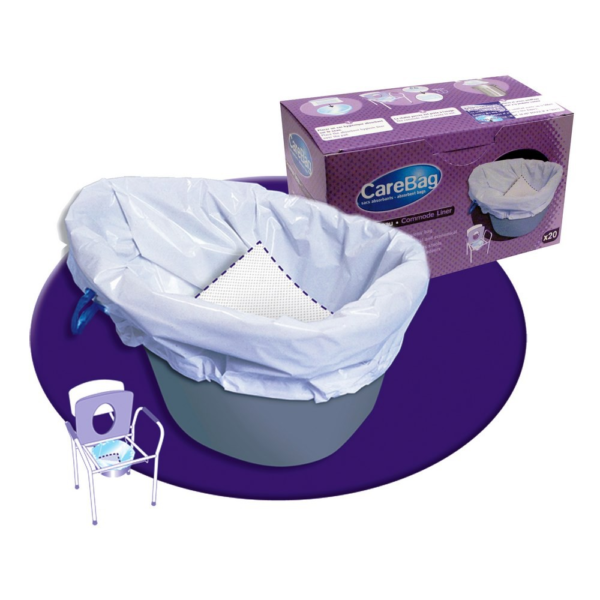
Ideal for : THE short outings, the sailboats without fixed installation, or in complement of another system.
Functioning
- Absorbent bag Contains a Super-absorbent tampon which gels the waste (urine + solid matter) by a few minutes.
- Use :
- Foldable kit made of cardboard or plastic (e.g.: Carebag) with integrated seat.
- Disposable bags : To be thrown in the trash cans (not at sea!).
- Models : Carebag (12 bags delivered, max. load 115 kg) Kampa (dry system).
Benefits
✅ Ultra-light and compact It fits in a cupboard.
✅ No maintenance : Disposable after use.
✅ Hygienic : Odorlessthanks to the absorbent pad.
✅ Price : Approximately €50 for a basic kit + refills (12 bags ~ €20).
Disadvantages
❌ Recurring cost : The bags are single use.
❌ Waste Generates throw away bags (to be put in household waste(not at sea).
❌ Limited capacity : 1 to 2 uses per bag.
Advice
- Plan for refills for long cruises.
- Do not throw into the sea : Forbidden And pollutant.
- Ideal as a complement of a dry or chemical toilet for the EMERGENCIES.
Quick comparison of solutions
Renovating your marine toilet on a small sailboat: eco-friendly solutions in light of new regulations
| Criteria | Chemical WC | Dry toilets (Trobolo) | Carebags |
|---|---|---|---|
| Ecology | ⚠️ (Chemicals) | ✅ (100% eco-friendly) | ✅ (If disposed of correctly) |
| Facility | ⚠️ (Mobile, but tank needs to be stored) | ✅ (Simple, water-free) | ✅ (Foldable, portable) |
| Interview | ⚠️ (Regular emptying) | ✅ (Composting) | ✅ (Disposable) |
| Weight | ⚠️ (Heavy full tank) | ✅ (Lightweight) | ✅ (Ultra-light) |
| Price (purchase) | €100–300 | €200–600 | €50–100 (kit + bags) |
| Autonomy | ⚠️ (10–50 uses) | ✅ (Unlimited) | ❌ (1–2 uses/bag) |
| Ideal for | Coastal navigation | Long cruises | Short outings |
How to choose the right solution for your sailboat?
1. Assess your needs
- Frequency of use : Occasional (Carebags) vs. regular (Chemical or dry toilet).
- Duration of outings : Weekend (Carebags) vs. cruise (dry or chemical toilet).
- Space available : Less than 6 m (Carebags or Trobolo) vs. 6–9 m (fixed chemical toilet).
2. Check local regulations
- Protected areas (Mediterranean, Baltic): Zero rejection → Dry or chemical toilet + emptying onto land.
- Outside the 3-mile limit : Rejection possible only if treated (crushing + disinfection).
3. Budget and maintenance
- Low budget : Carebags or entry-level chemical toilets.
- Sustainable investment : dry toilet (Trobolo) for a solution ecological and autonomous.
Conclusion: Towards more responsible navigation
Renovating your marine toilet on a small sailboat is no longer an option, but a need facing the new regulations and to the preservation of marine ecosystemsSolutions exist:
- chemical toilets for one simple transition.
- Dry toilets (Trobolo) for one zero waste approach.
- Carebags for one portable and supplementary solution.
Did you know that?
By 2030, all pleasure boats could be required to no longer dump anything into the sea, even beyond 3 miles. Plan ahead now, It is navigate with peace of mind And protect the oceans.