
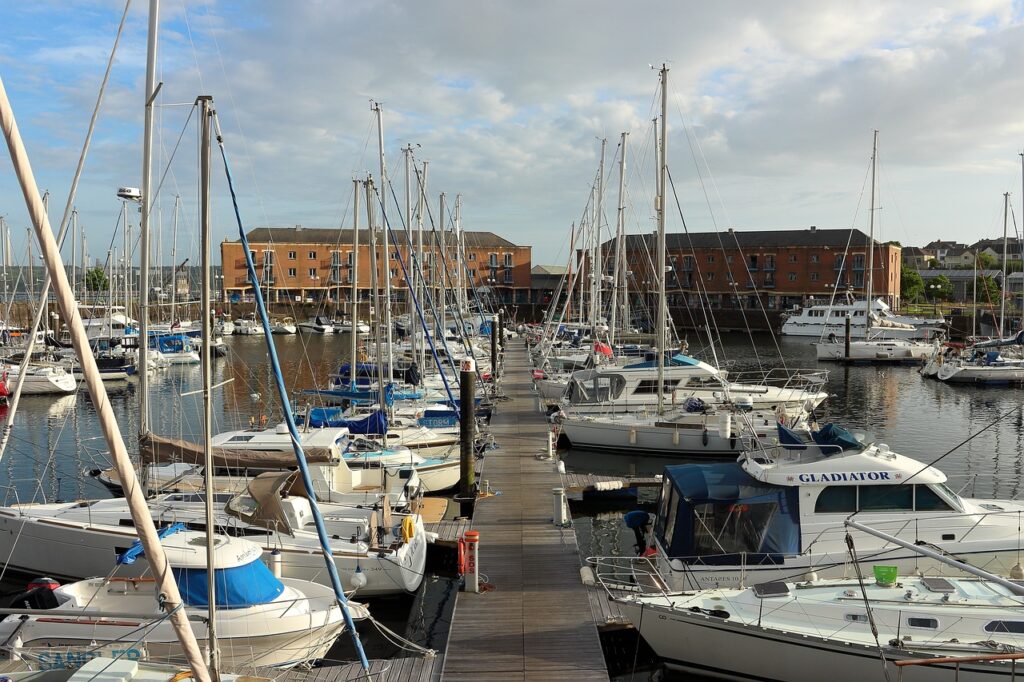
Purchasing a used boat can be a valuable option, but it requires a thorough examination to avoid costly repairs or unexpected issues. This guide will walk you through each step to evaluate the essential elements during a visit to a used boat.
1. Preparation: Gather Necessary Documents
Before the visit, request the following documents from the seller:
- Maintenance history: Ensure the boat has been regularly serviced.
- Proof of ownership and compliance certificate: Verify that the seller is indeed the owner or an authorized representative.
- Survey reports: If available, these reports can provide insight into past repairs or upgrades.
- Insurance records: An insurance history may reveal any prior damage or claims.
This preliminary information allows you to better assess the boat’s overall condition and value even before an in-person inspection.
2. Exterior Inspection: Hull and Structural Condition
A thorough exterior inspection is essential to detect signs of aging, repairs, or structural damage.
- Hull: Look for cracks, deep scratches, or bubbles (osmosis) in the gel coat, especially below the waterline. Osmosis is a severe issue that may require costly treatment.
- Deck: Walk around the entire surface to identify weak spots or areas with dips. A “soft” feel could indicate delamination or water intrusion.
- Keel: Examine the hull-to-keel joint. Cracks or repairs may indicate the boat has suffered a hard grounding.
- Rudder: Ensure it is stable with no excessive play.
- Hardware and fittings: Check all cleats, winches, and other deck fittings. They should be securely attached and free from corrosion or excessive wear.
3. Rigging and Sails
The rigging and sails are crucial for the performance and safety of a sailboat.
- Mast, boom, and stays: Carefully examine the condition of the stays and cables. Any rust, fraying, or corrosion is a sign of weakening.
- Winches and cleats: Test them to make sure they turn smoothly without jerking.
- Sails: Inspect the quality of the seams and fabrics. Worn or torn sails reduce performance and may need replacement.
4. Interior Inspection: Condition of Fittings and Structure
The boat’s interior can reveal much about its overall condition and level of maintenance.
- Water intrusion: Inspect storage areas, cabins, and bilges for signs of moisture or mold. A strong musty odor may indicate leaks.
- Electrical and electronics systems: Test all components (navigation lights, VHF radio, onboard instruments) to verify they are in working order. A faulty electrical system could require expensive repairs.
- Plumbing system: Ensure that bilge pumps, faucets, and toilets work properly.
- Engine: Visually inspect the engine for oil leaks or corrosion. Listen to the engine sound when starting; difficult starts or unusual noises may indicate mechanical issues.
Browse our boat classifieds

5. Navigation System and Electronics
Navigation equipment and electronic systems add value to the boat but should be thoroughly checked.
- GPS, sonar, radar, and autopilot: Ensure each device is functioning correctly.
- Wiring: Check the condition of all cables. Old or damaged wiring may indicate overall wear and tear.
6. Propulsion System
The engine is a key component, especially on a used boat.
- Sea trial: Request a sea trial to test the engine under load, as this helps identify any performance issues that may not be apparent when idle.
- General condition: Look for signs of rust, oil, or fuel leaks. The engine should run smoothly without excessive noise or unusual smoke.
- Maintenance and servicing: Make sure the engine has been regularly serviced, as a well-maintained engine will last longer.
7. Sea Trial
If possible, a test at sea is the best way to detect any potential malfunctions:
- Boat stability: Observe how the boat handles waves and changes in direction.
- Sails and rigging: During navigation, ensure that the sails deploy easily and that the rigging shows no signs of weakness.
- Handling: Test the steering and rudder system for responsiveness and the absence of play.
8. Final Evaluation and Repair Estimation
Once the inspection is complete, assess any necessary repairs or improvements. Consider:
- Repair costs: Estimate the expenses required to restore the boat to proper condition, including labor costs.
- Market value: Compare the asking price to similar boats in good condition. This will help in negotiating the price with the seller if repairs are needed.
Conclusion: Consult an Expert
If in doubt, don’t hesitate to consult a marine surveyor for a professional opinion. A surveyor can detect subtle structural or mechanical issues that might go unnoticed in a routine inspection.
This guide will help you assess the potential and shortcomings of a used boat, but remember that a professional inspection remains the best guarantee of a safe purchase.