
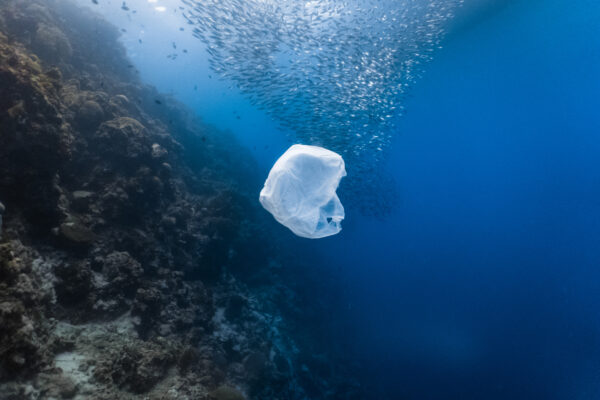
Since its creation in 2015, the Beyond Plastic Med (BeMed) association has been working to reduce plastic pollution in the Mediterranean. Initiated by the Prince Albert II of Monaco Foundation, the Tara Ocean Foundation, Surfrider Foundation Europe, the International Union for Conservation of Nature (IUCN), and the MAVA Foundation, BeMed brings together various stakeholders to tackle this major environmental challenge.
BeMed’s Key Achievements
Support for Local Initiatives
Since its launch, BeMed has supported 113 projects in 15 Mediterranean countries through 10 calls for projects. In 2020 and 2024, specific calls focused on Mediterranean islands to help protect these vulnerable areas.
Creating a Community of Committed Actors
BeMed has built a community of 94 organizations that share best practices and collaborate to maximize the impact of the fight against plastic pollution.
Dialogue Between Different Stakeholders
The association has established a dialogue between science, industry, and civil society, recognizing that reducing global plastic pollution requires strong corporate involvement.
Transition to Sustainable Tourism
In 2022, a pilot project with the InterContinental Marseille – Hôtel Dieu proved that it is possible to reduce single-use plastics while lowering costs and maintaining service quality. This initiative was later expanded to La Badira hotel in Tunisia, which eliminated thousands of plastic packages.
Launch of BeMed+
In 2024, BeMed launched the BeMed+ project to build on a decade of efforts to reduce plastic pollution in the Mediterranean. This project includes two pilot areas: Monastir in Tunisia and the Shkumbin River in Albania, with support from Surfrider Europe, the IUCN, the Institute for Nature Conservation in Albania, and the Notre Grand Bleu association in Tunisia.
Key Figures
| Indicator | Value |
|---|---|
| Projects funded since 2015 | 113 |
| Organizations supported since 2015 | 94 |
| Mediterranean countries involved | 15 |
| Funds committed | €4 million |
| Multinational companies in the Business College | 10 |
Plastic Pollution in the Mediterranean: A Persistent Challenge
The Mediterranean Sea is one of the most polluted in the world, receiving between 200,000 and 600,000 tons of plastic waste annually. This pollution, primarily caused by human activities, threatens aquatic ecosystems and human health.
France, for example, produces 4.5 million tons of plastic waste per year, with only 22% being recycled. Around 80,000 tons of plastic are dumped into nature annually, with over 10,000 tons ending up in the Mediterranean Sea.
Future Perspectives
Given the scale of plastic pollution, BeMed continues to mobilize local stakeholders, businesses, and policymakers to develop innovative and sustainable solutions. The association is committed to strengthening synergies between different actors to achieve the goal of a plastic-free Mediterranean.