
Boat insurance is a topic that often comes up on the docks. Whether you’re buying a boat or renewing your insurance, what are the key points to know?
Regardless of the type of boat, sailboat or motorboat, and its use, insuring it is not (yet) mandatory but essential. Boat insurance is therefore not mandatoryBoat insurance will allow you to protect your beautiful pleasure craft, but also to protect other boaters. Between civil liability, salvage costs, and damages related to shipwreck, storms, or assistance at sea, the causes of accidents, and therefore the reasons to be cautious, are numerous.
Some pleasure boats are automatically covered by certain insurance policies. Small dinghies, tenders, and water sports equipment may, in some cases, be covered under a homeowner’s insurance policy. This largely depends on the policy you have chosen. Carefully review your contract and the liability coverage. A larger boat must be insured with its own policy..
In all cases, shipyards, ports, and even mooring associations will ask you for a pleasure boat insurance certificateGiven the price of a boat and the potential damage it can cause, it’s irresponsible not to have insurance, regardless of the policy. And if we look closely at the rates, they remain very reasonable. But we won’t discuss insurance rates here. It’s up to you to compare the coverage and premiums. You can get quotes online or from the many companies, both specialized and general, as well as mutual insurance companies.
Before you start, insurance companies nautical companies only grant their guarantees to the extent that, among other things, the boat papers and the license of the person in charge of navigation are valid. At the same time, the boat will generally need to be registered in France. All this information will be requested before the risk is assumed. When you request a quote, you must therefore have these documents to insure the boat.
Boat insurance and civil liability
Civil liability, in any contract ofboat insuranceThis is the basic policy. It covers material or bodily damage caused to third parties. Family members (spouse, ascendants, descendants) are very rarely considered third parties by insurers (and only for bodily injury). This means that the insurer will cover you if you cause damage to another boat, for example, or to a crew member, only if you are at fault. The objective is to compensate third parties.
There civil liability This may apply if you lend your pleasure boat or entrust the helm to a crew member. Carefully review the general and specific terms and conditions of your boating insurance policy. Sometimes, civil liability coverage can be combined with legal protection. Finally, also consider insure the trailer of your boat, possibly.
Being covered for your navigation program
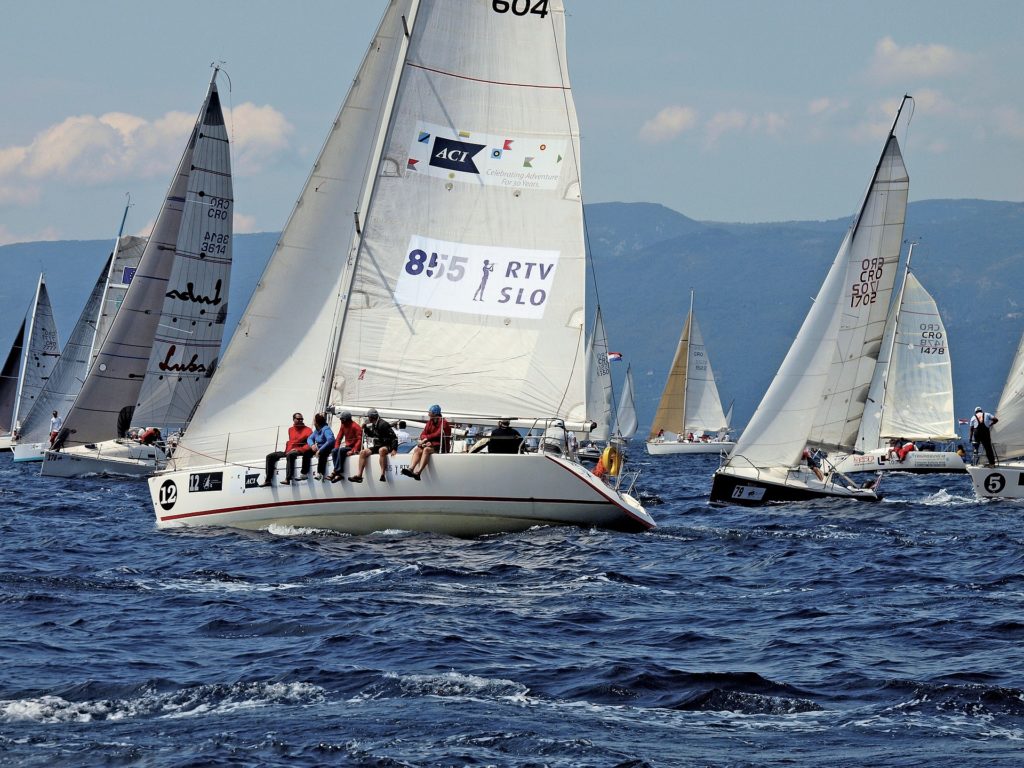
The program is also very important in boat insuranceTake regattas, for example. If you plan to sail during winter training sessions and then participate in several regattas throughout the year, Remember to get insurance, in addition to the license.While some insurance policies may cover you for civil liability, this is not the case for all. Some companies limit their compensation to purely recreational use. In this case, you will need to purchase an extension of coverage or take out a new policy. If your regatta activity starts to become regular and moves beyond the amateur level, this will become mandatory.
In addition to civil liability, also consider the bodily accident guaranteeAll insurers offer these personal accident insurance policies. They are essential to cover you in case of accidents during leisure activities (cruising, boat maintenance, etc.). However, some of these policies will exclude regattas.
Be insured for your navigation area
An important point to check when signing your contract is the coverage area. Indeed, all Insurers will not cover you everywhereSome health insurance companies will only cover you in the French North Atlantic basin. Other insurers will cover you in French territorial waters but not beyond. If you are planning a transatlantic crossing or a Mediterranean cruise, make sure your policy covers you everywhere, at every planned port of call. Some countries may not be covered.
Boat insurance and rental
Renting your boat is also something to consider. With the development of the In the case of peer-to-peer rentals, insurers have adapted. and now offer the guarantee as an option. If not, some platforms offer temporary insurance. Ask your insurer: If my renters are injured due to a lack of maintenance on my boat, or even due to a lack of vigilance on their part, what happens?
What guarantees does boat insurance offer?
If civil liability, also called third-party liability, is the minimum guarantee of your boat insuranceIt can be useful to take out different insurance policies, options, or plans, depending on the age and use of your boat. Indeed, the risks of damage are diverse and varied. It is therefore important to have boat insurance coverage adapted by subscribing to the right plan.
- The material damage caused to the boatThis guarantee covers both minor and major accidents, even those caused by one’s own actions. Coverage limits and deductibles will depend on your policy.
- Theft, vandalismAs the name suggests, your boat will be covered if it is stolen or vandalized. Again, check your coverage limits and deductibles.
- Loss and damageWords mean everything.
- RetirementThink about it. If your boat needs to be taken out of the water, or even towed beforehand, and divers are involved in the operation, the bill will quickly add up.
- SupportYour boat will be insured if you need to call on the SNSM (French Sea Rescue Society), for example. But it can also include the repatriation of injured people, providing a skipper to bring the boat back, shipping spare parts, etc.
- Other guarantees : Storm, personal injury,…

Evaluate the value of your boat
The value of your boat is important in boat insuranceIndeed, it is on this value that all compensation following a claim will be calculated. Good protection therefore depends on an accurate valuation of the vessel. This value includes not only the boat itself, but also its equipment. While assessing the value of a new boat is relatively straightforward, the process becomes more complex for vessels over 10 years old. Some insurers will require a survey of the boat to evaluate its value, equipment, and overall condition (engine, rigging, etc.).
Regarding the life of the contract, The insurance law is very strict. Remember to keep your invoice. Not all insurers require you to change the rigging every 10 years… however, you must be able to prove that your boat has been properly maintained. Yes, I know, it’s all rather abstract… so keep everything safe!