
Setting sail for a few hours or embarking on a multi-day cruise is always a pleasure. But to ensure lasting enjoyment and a smooth voyage, proper preparation is essential. Preparing your cruise effectively means anticipating, while in port, all the factors that will affect navigation, the boat, and the crew at sea. Here’s a guide to help you prepare for your sailing cruise, from navigation to equipment.
A sailing cruise will always leave unforgettable memories. There will be good ones, very good ones, but bad ones can also happen. Indeed, recreational sailing requires discipline. To avoid these bad memories, it is essential to properly prepare your navigation for a cruise No worries. Whether you own your sailboat or you have rented a boat for a week in Croatia. It is essential to properly prepare for this voyage, and therefore your cruise, in port before casting off. This preparation must be the same regardless of the itinerary, whether coastal cruising, offshore sailing, or even river navigation.
Good preparation of his boat cruise, goes through 5 steps which must be respected in order to anticipate all the factors which may have an impact on the boat, its condition as well as on the fatigue of the crew and their safety.
Preparing your cruise and your itinerary
Clearly defining your itinerary to prepare your voyage may seem basic, and yet… It is imperative to plan your itinerary carefully for a cruise. If you are setting off for several days, the captain must know where they want to go and how. The crew must also know this. For example, The itinerary must include stopovers, the return date, and sailing times.The presence of children, or of a crew with or without sea experience, will have an impact on the program. Sailing at night Making long stopovers can be beneficial when sailing with children. An unskilled crew can quickly become tired or stressed.
The sailing cruise program It must therefore allow navigation to be adapted to the skills of the crew, the equipment of the boat and allow for anticipating the weather.
Before casting off, inform someone on land that you are leaving and give them your itinerary.
Anticipating the weather

The weather forecast must be taken and recorded in a logbook or on a computer before… go to seaBeyond the day’s weather, it’s important to consider the forecast. Beyond the risk of strong winds, the interest Anticipating the weather means planning your sailing trips.Having the wind in their face throughout the cruise will quickly tire the crew and make moments of relaxation on board less frequent. Weather conditions are not the same in the Mediterranean as in the English Channel.
It’s also important to anticipate forecasted gales, whether you’re sailing offshore or along the coast. Weather forecasting isn’t an exact science. In fact, it’s not uncommon for a gale predicted 3-4 days in advance to arrive sooner or later. Anticipating it allows you, at the very least, to plan your return journey.
Prepare your route and navigation
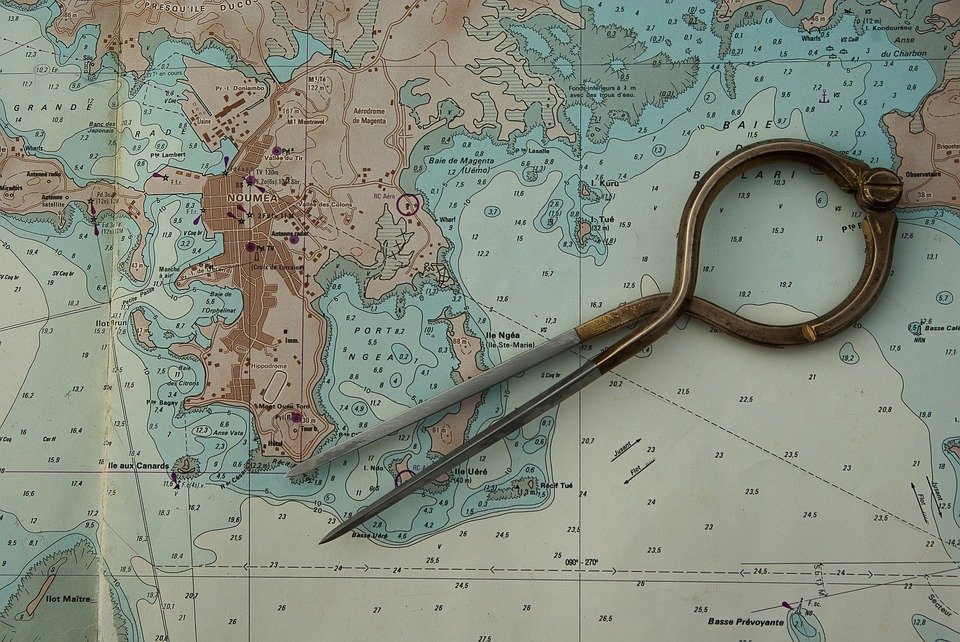
The navigation route is also an important step in the preparing for your cruiseIndeed, if it connects the two previous points, the route must be precisely prepared. This means that the route must be laid out on a paper nautical chart or a large screen, like that of a plotter or map reader. I emphasize this point because, in my opinion, having a global view of the geographical situation is very important. It allows for a better understanding of distances, among other things.
Indeed, navigation software or a card reader with integrated GPS will not do everything. Preparing your route means studying the dangers, the buoys, the lighthouses.Preparing your route for a sailing cruise also means understanding the currents in the area and looking for possible alternative anchorages in case of bad weather.
Before setting out on a boat, you absolutely must study nautical documents such as The Breton Sailor’s Almanac or a Marine Block. This is especially true when you rent a boat, far from your usual body of water.
Prepare the boat
There preparing the boat It involves two stages, in my opinion. The first is more of a choice than a preparation. Indeed, the cruise itinerary, planned weeks, even months, in advance, is determined by the boat. You won’t sail the same way with a small, transportable dinghy, even a habitable one, as with a heavy steel cruising sailboat… I’m taking the two extremes. So, The boat’s seaworthiness will determine the program. its draft, its accommodation capacity and its technical features.

But let’s get back to the main topic, which is preparing your sailing trip before setting off on a cruise. Preparing the boat will allow you to anticipate the sailing experience and any minor issues that could make it unpleasant.
This involves preparing the sails and reefing lines. These checks are always easier to perform in port than while sailing. It involves checking all the deck hardware and running rigging, making sure everything is present and that spare parts are available. Finally, the cockpit must be clean, clear, and tidy.The engine also needs to be checked, and the fluid levels verified.
Before leaving, the boat’s valves and portholes must be closed.
The skipper must ensure that the mandatory safety equipment is complete and up-to-date. Finally, it is important to check the marine electronics. Verify that repeaters such as GPS, autopilot, depth sounders, and log are functioning correctly, and that you have spare batteries.
Comfort is also very important. Water levels should be checked, as well as the proper functioning of the black water tank. Finally, thoroughly check all of your safety equipment, on the boat.
The crew
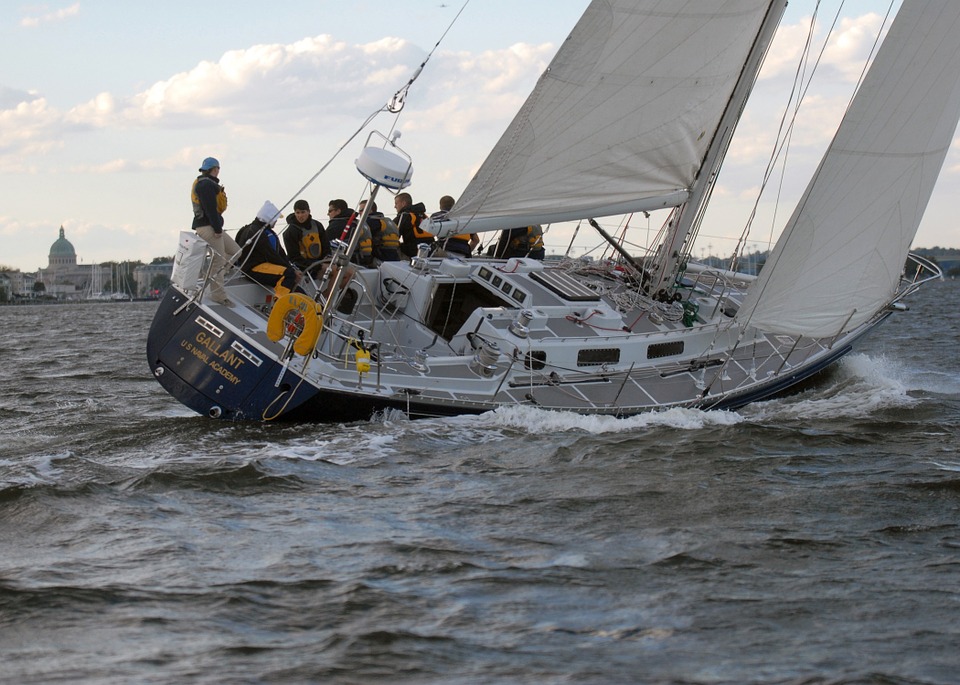
Finally, any preparation for navigation, for a cruise, involves the crew’s preparationWhether it’s a family gathering, a group of experienced sailors, or a group of friends, everyone needs a minimum of information and preparation. First, each crew member must know where the safety equipment is located, as well as the location of the toolbox, charts, and all the boat’s equipment. Next, the crew must know the cruise itinerary, the duration of each leg of the voyage, and the forecast weather. Finally, Everyone must have their role; this allows for optimized maneuvers and makes them safer..
Crew preparation also involves equipment. First, there’s safety equipment like life jackets, headlamps, knives, and so on, but there’s also personal gear. It’s crucial that each crew member brings a sweater, hat, sunscreen, sunglasses, and appropriate footwear. In short, personal equipment will be tailored to the specific itinerary. But everyone must have their own belongings.
Respect the environment
Pollution can harm the reproduction of many species and encourage the proliferation of new ones at the expense of the originals. Cruising, especially sailing, can give the impression of being in harmony with our environment… but certain actions can do much more. As boaters, we have a moral obligation to protect the sea and the coastline.
- If necessary, opt for heavy bags or baskets to carry your belongings because a bag that is too light could blow away and the sea already contains quite a lot of plastic.
- Pick up any plastic bags floating in the water, as protected species, like turtles, ingest them and choke. Not to mention that currents can quickly carry a garbage bag from one ocean to another.
- Dispose of your rubbish in the designated areas at the port and remember to sort your waste. Indeed, limited space on a boat often leads to using only one bin. However, simple sorting makes recycling easier (household waste, plastics, glass). A big thank you to some ports like Lorient that distribute recycling bags during stopovers.
- Opt for reusable items and recycle whenever possible. Before leaving, empty the galley of all non-essential packaging.
The checklist of what you need to bring on board the boat
Before boarding your ship for a week-long cruise, or even longer, remember to double-check that you haven’t forgotten anything. Buying sunscreen or a fleece on an island or in a marina can be very expensive. Between sailing clothes, personal safety equipment, and your other belongings, here’s a checklist of what you need to take on board a sailboat.
The clothes
- Comfortable and flexible trousers.
- Comfortable Bermuda shorts in a quick-drying fabric
- A warm sweater or a fleece
- A foul-weather jacket or other waterproof jacket
- Short-sleeved t-shirts, made of breathable and quick-drying fabric.
- Deck shoes
- A swimsuit
- A cap or a beanie
Personal equipment
- A shackle opener knife
- A pair of gloves
- Sunscreen and lip balm
- A pair of sunglasses
- A headlamp
- Check that each crew member has a harness and life jacket, plus that there is a complete and up-to-date first aid kit.
- Of the clothes for the sea
Personal effects
- a waterproof and flexible travel bag for easy storage.
- A sleeping bag
- Beach towel
- Sandals
- Small waterproof backpack
- Books
- A card game
- A solar charger for mobile phones
- Your driver’s license and your identity document
- Remove all your packaging before boarding the boat
- A Marseille soap and a dry shampoo.
And you, what would you add to this list? What are your reflexes, your rituals before setting sail? What should every boater do to prepare for their voyage?