
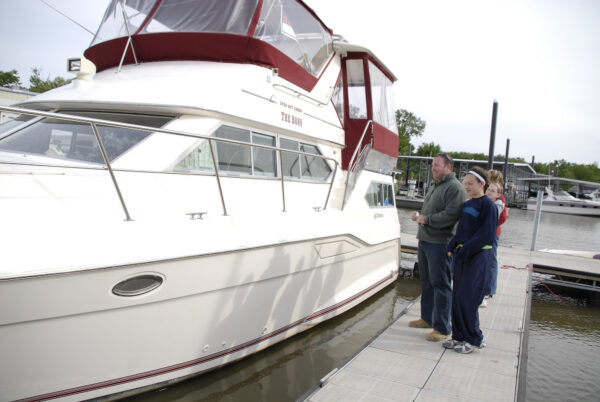
Selling a boat is never a trivial decision. Whether you’re considering selling privately or working with a broker, the choice isn’t always obvious. Between the temptation to save money and the risks of going it alone, boat owners often wonder which path is best. In this article, we explore the pros and cons of private boat sales versus going through a yacht broker or dealership—and offer key tips to help you navigate your way to a successful sale.
Why Are You Selling Your Boat?
Selling your boat can be an emotional decision. After all, it’s more than a transaction—it marks the end of one adventure and, hopefully, the start of another. Some owners upgrade to a larger yacht or a more comfortable cruising model. Others sell due to lifestyle changes, financial reasons, or simply because they’re not using the boat enough. Whatever your reason, it’s important to approach the process with a clear head and a good understanding of your options.
Private Sale or Professional Help?
When selling a boat, many owners consider handling the sale themselves—especially if the vessel is located nearby. But several factors should influence your decision:
- Do you have time to clean, maintain, and show the boat?
- Are you comfortable handling viewings, negotiations, and legal paperwork?
- Is your boat a niche model or in need of repairs that might raise questions?
If your answer is “no” to any of the above, working with a broker or dealership might be worth considering.
Advantages of Selling Your Boat Privately
For small boats or older models, selling privately is common—and often practical. Paying a broker’s commission (typically 5–10%) on a $10,000 boat doesn’t always make sense. If you’re experienced, live close to the marina, and know how to prepare your boat for viewings, you may be able to handle everything yourself.
Online classifieds like Craigslist (US), Gumtree (UK/Australia), BoatsandOutboards, or Boat Trader are popular platforms. Listing your boat there can save you thousands—if you’re confident managing the sale.
However, keep in mind:
- Your listing needs to be visible and well-written to attract serious buyers.
- You must know the market value of your boat. Many sellers overprice their vessels due to emotional attachment.
- You take on all the risks—scams, time-wasters, legal oversights, or disputes about condition after the sale.
For these reasons, private sales are best suited to small boats, where the legal and financial stakes are lower.
Why Use a Yacht Broker?
A yacht broker is a licensed professional who facilitates boat sales. In markets like the US, UK, and Australia, brokers are often members of professional associations such as the YBAA (Yacht Brokers Association of America), ABYA (UK), or BIA (Australia).
Here’s what a broker brings to the table:
- Accurate pricing: Brokers understand current market trends and know how to price your boat to sell—without underselling it.
- Marketing power: Your listing will be promoted through high-traffic platforms like YachtWorld, Boats.com, or TheYachtMarket, often with professional photos and videos.
- Qualifying buyers: Brokers weed out tire-kickers and deal with serious buyers only.
- Safe transactions: From contracts to title transfers and escrow payments, a broker ensures the sale is legally sound and safe for both parties.
Working with a broker is especially useful for higher-value boats, niche sailboats, or if you’re short on time. In some cases, the net result is the same—or even better—than selling privately, once you factor in time saved and a smoother negotiation.
Selling via a Dealership or Boat Yard
Many boat owners turn to their local marina or boatyard for help selling. Some yards have sales departments or work in partnership with brokers. This can be a smart option if:
- Your boat is already on-site.
- You can’t easily meet potential buyers in person.
- The boat requires work, and the buyer may want a quote or package deal (e.g., antifouling, new rigging).
For buyers, this adds convenience and confidence. For sellers, it reduces the hassle.
Tips for Selling Your Boat Successfully
Whether you choose to sell privately or work with a professional, here are some key tips:
- Price realistically: Check listings for comparable models, but also consider sold prices, not just asking prices.
- Be transparent: Provide maintenance records, invoices, and a full inventory list.
- Clean and prepare: A tidy, odor-free boat makes a much better impression. Clear out personal items and keep lockers accessible.
- Don’t run the engine before viewings: Let the buyer see the real cold-start behavior.
- Offer a sea trial: If serious interest develops, be ready for a test sail or motor run.
- Get the paperwork right: Use an up-to-date bill of sale or contract (available from marine authorities or boating associations).
- Accept only secure payments: Bank transfers or certified checks only—never cash or personal cheques.
- Close the loop: Notify your insurer and marina of the sale, and ensure the buyer registers the boat in their name.
Final Thoughts
Selling a boat privately can save you money, but only if you’re prepared to put in the work and assume the risks. For many boat owners—especially those with higher-end yachts or less time—using a yacht broker or dealer is the safer and more efficient route. Whatever path you choose, good preparation and clear communication will set the course for a smooth sale.