
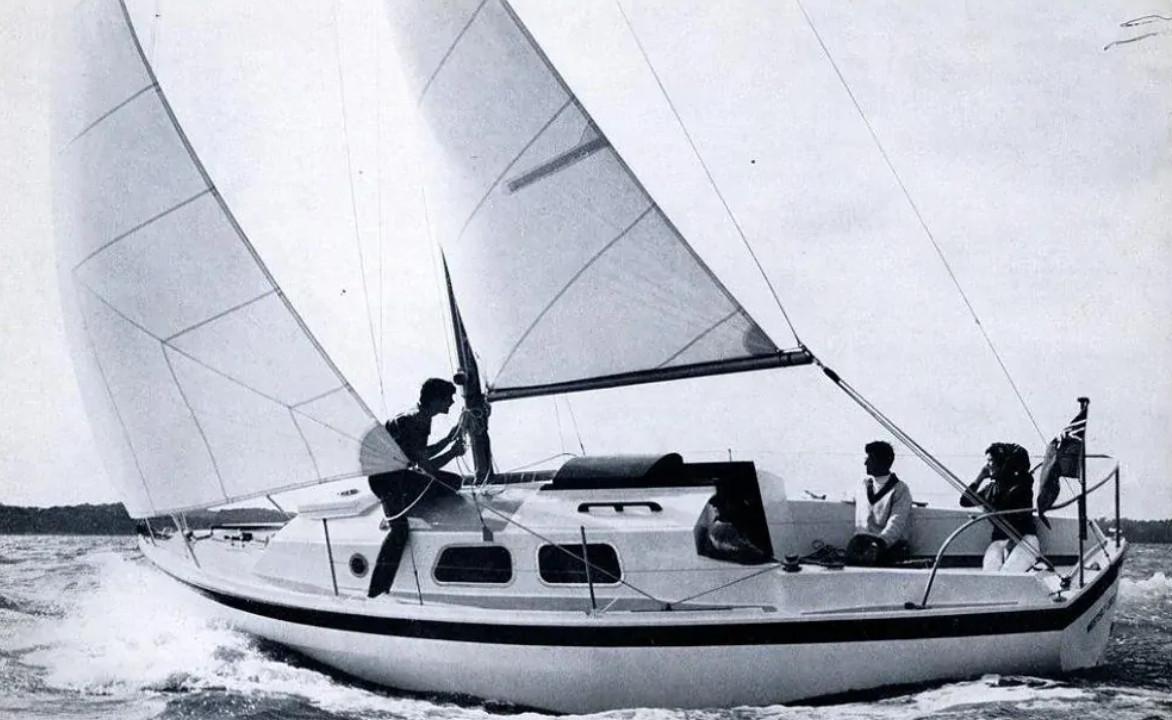
When you think of bilge keels in Great Britain, Westerly quickly comes to mind. And when it comes to popular recreational boating, the Centaur is the first name that springs to mind. Quite common along our coasts, the Centaur is one of the great successes of the Westerly shipyard.
The Westerly Centaur is an iconic coastal cruising sailboat, designed by naval architect Laurent Giles and produced by the British shipyard Westerly Marine between 1969 and 1984. With over 2,400 units built, it ranks among the most popular sailboats in the world, particularly for its robustness, versatility, and accessibility. Available in sloop and ketch versions, it has won over generations of sailors in both England and France for its ability to combine comfort, safety, and ease of handling.
Key Takeaways
- Family Boat: Ideal for coastal cruising, the Centaur is appreciated for its spacious interior and practical layout, perfectly suited for life on board with family or friends.
- Robustness: Built with polyester and fiberglass, designed to last. Many units are still sailing today, more than 50 years after their launch.
- Versatility: Available as a sloop (classic rigging) or a ketch (split rigging, offering better balance and reduced effort on the sails).
- Stability: Twin keel without a bulb, moderate draft (0.90 m), allowing easy grounding and navigation in shallow waters.
- Active Market: The Centaur remains highly present on the second-hand market, with an active community of owners and dedicated clubs, particularly in France and the United Kingdom.
History of the Boat
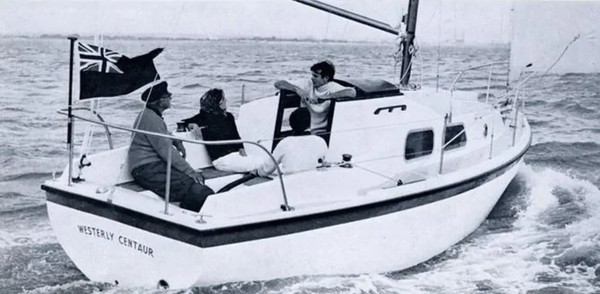
The Westerly Centaur was born in the late 1960s, at a time when the Westerly Marine shipyard, based in Waterlooville, England, sought to make cruising sailing more accessible. Naval architect John Laurent Giles, a prominent figure in British naval design, drew the plans for this 7.92-meter (26-foot) sailboat, intended for family use and coastal cruising. The first model was launched in 1969, and production ended in 1984, with a total of 2,444 units produced.
The Centaur was part of a prosperous period for Westerly, which exported its boats massively to Europe and the United States. Its success is based on a classic and timeless design, solid polyester construction, and an affordable price. It comes in three interior layout versions (A, B, C), offering 4 to 6 berths, as well as derived versions such as the Pentland, Berwick, or Pembroke, which reuse the Centaur’s hull with different rigging or layouts.
At the time, its main competitors were sailboats like the Jeanneau Sangria, the Gib’Sea 26, or the First 25. However, the Centaur stood out for its robustness and interior comfort, even if its racing performance was not on par with its competitors. Its program was primarily focused on family and coastal cruising, with the ability to handle varied conditions, including rough seas.
Interior Layouts
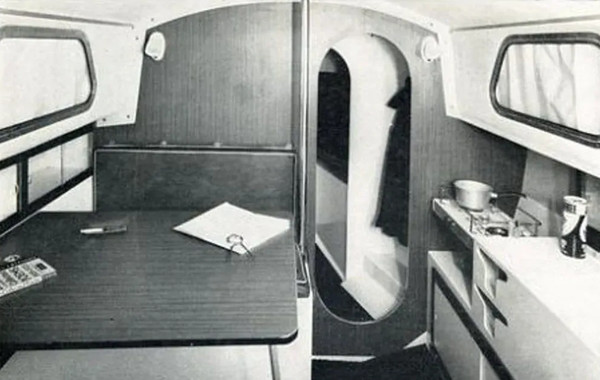
The Westerly Centaur offers a functional and cozy interior, typical of British sailboats from the 1970s. Depending on the version (A, B, or C), the layout varies slightly, but the spirit remains the same: a space optimized for life on board.
The most common version, the Layout B, includes a central saloon with a chart table and a galley area (stove, sink), a forward cabin with V-berths, and an aft space that can accommodate two people. The headroom reaches 1.83 m, which is comfortable for a boat of this size. The ketch version often offers a bit more space due to the position of the mizzen mast, which allows for a better distribution of interior volumes.
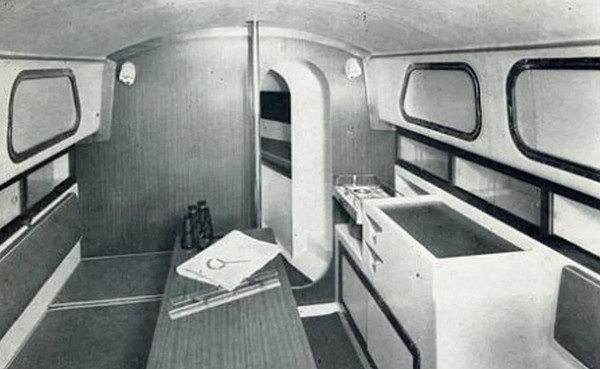
The materials used are typical of the era: varnished wood, patterned fabrics, and simple but sturdy equipment. The cockpit is closed at the stern, which protects the crew from spray and provides a secure space for children. The freshwater capacity (67 liters) and fuel capacity (45 liters) are suitable for multi-day outings, even if they may seem limited for longer cruises.
Sailing Qualities
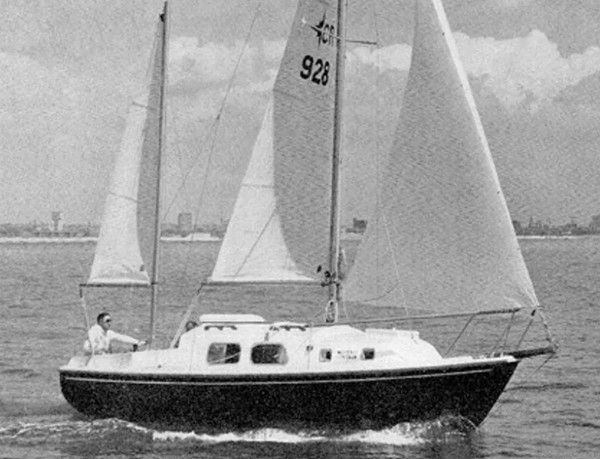
The Centaur is first and foremost a cruising boat, designed for safety and comfort rather than pure performance. Its polyester hull, combined with a cast iron keel weighing 1,270 kg (a ballast ratio of 42 to 45% depending on the version), gives it remarkable stability, even in rough seas. Its moderate draft (0.90 m) allows for navigation in shallow waters and easy grounding, which is appreciated for stopovers in Brittany or the English Channel.
Under sail, the Centaur proves to be easy to handle and maneuverable, even for inexperienced crews. Its hull speed is estimated at 6.24 knots, making it a slow but safe sailboat, ideal for outings with family or friends. Owners highlight its seaworthiness and its ability to ride the waves smoothly, even if its upwind performance is not its strongest suit. The ketch versions offer better balance thanks to the divided sail plan, which reduces the effort on the helm and makes handling easier, especially in strong winds.
On the other hand, the Centaur is not a racing boat: its sail area/displacement ratio (between 16.99 and 18.78 m²/T depending on the version) and its DLR (Displacement Length Ratio) of 276 to 299 place it among the heavy and stable sailboats, but not well-suited for downwind courses or light winds. Owners confirm that you often need to use the engine to make progress in light winds, but the boat becomes very pleasant once the wind picks up.
Owners’ Reviews
The Westerly Centaur enjoys an excellent reputation among its owners, who highlight several major strengths:
Strengths:
- Robustness: Many Centaurs are over 50 years old and still sail without major structural issues. The polyester hull and solid construction make it a reliable and durable boat.
- Comfort and Space: For an 8-meter boat, the interior is surprisingly spacious, with good headroom and well-thought-out layouts for life on board.
- Safety: The closed cockpit and the boat’s stability inspire confidence, even in bad weather. Owners feel at ease while sailing, making it an ideal choice for families.
- Versatility: The Centaur is suited for coastal cruising, bay outings, and even longer trips for the more adventurous. Some have even crossed the Atlantic aboard one.
- Affordable Price: On the second-hand market, a Centaur in good condition is priced between €7,500 and €15,000, depending on the year, equipment, and maintenance. Its abundance on the market makes it an accessible boat for tight budgets.
Weaknesses:
- Limited Performance: The Centaur is not a fast boat. Its upwind performance is average, and you often need to use the engine in light winds or for maneuvering in ports.
- Keel Issues: On early models (before 1970), issues with keel play or cracks have been reported. A thorough inspection of the hull and keel fittings is therefore essential before purchase.
- Aging Layouts: The interiors of 1970s Centaurs may seem outdated (dark wood, old fabrics), but this is also part of their retro charm.
Testimonials:
“The Westerly Centaur is an excellent sailboat on which you feel safe and secure.” — Owner on Hisse-et-Oh.
“It’s a perfect boat for coastal hopping from cove to cove, but you should avoid leaving it in a place where it risks tossing around regularly.” — Owner’s review.
“After sailing for a week on the Westerly Centaur, I completely changed my preconceptions about this boat.” — Testimony from a sailor who tested the Centaur.
Westerly Centaur Technical Specifications
| Category | Westerly Centaur Sloop | Westerly Centaur Ketch |
|---|---|---|
| Length Overall | 7.92 m (26’ 0”) | 8.50 m (27’ 11”) |
| Hull Length | 7.90 m (25’ 11”) | 7.90 m (25’ 11”) |
| Waterline Length | 6.60 m (21’ 8”) | 6.60 m (21’ 8”) |
| Beam (Width) | 2.60 m (8’ 6”) | 2.60 m (8’ 6”) |
| Draft | 0.90 m (3’ 0”) | 0.90 m (3’ 0”) |
| Air Draft | 11.18 m (36’ 8”) | 9.90 m (32’ 6”) |
| Light Displacement | 2,800 kg (6,173 lb) | 3,040 kg (6,702 lb) |
| Ballast | 1,270 kg (2,800 lb) | 1,270 kg (2,800 lb) |
| Ballast Type | Cast Iron | Cast Iron |
| Ballast Ratio | 45% | 42% |
| Rigging | 6.65 Tx | 6.65 Tx |
| Navigation Category | 2 (Coastal) | 2 (Coastal) |
| Hull Type | Monohull with twin keels | Monohull with twin keels |
| Hull/Deck Material | Polyester and fiberglass | Polyester and fiberglass |
| Appendages Type | Twin keels without bulb | Twin keels without bulb |
| Steering | Tiller | Tiller |
| Rudder | Single balanced rudder | Single balanced rudder |
| Unsinkable | No | No |
| Transportable | No | No |
| Launch Year | 1969 | 1969 |
| End of Production Year | 1980 (or 1984) | 1980 (or 1984) |
| Number of Units | 2,444 | 2,444 (ketch version included) |
| Architect | John Laurent Giles | John Laurent Giles |
| Shipyard | Westerly Marine (United Kingdom) | Westerly Marine (United Kingdom) |
| Rig Type | Masthead Sloop | Ketch |
| Upwind Sail Area | 37.3 m² (401 sq ft) | 35.65 m² (384 sq ft) |
| Mainsail | 15 m² (161 sq ft) | 10.2 m² (110 sq ft) |
| Genoa | 22.3 m² (240 sq ft) | 22 m² (237 sq ft) |
| Solent | 16.9 m² (182 sq ft) | 16.1 m² (173 sq ft) |
| Jib | 12.4 m² (133 sq ft) | 10.2 m² (110 sq ft) |