
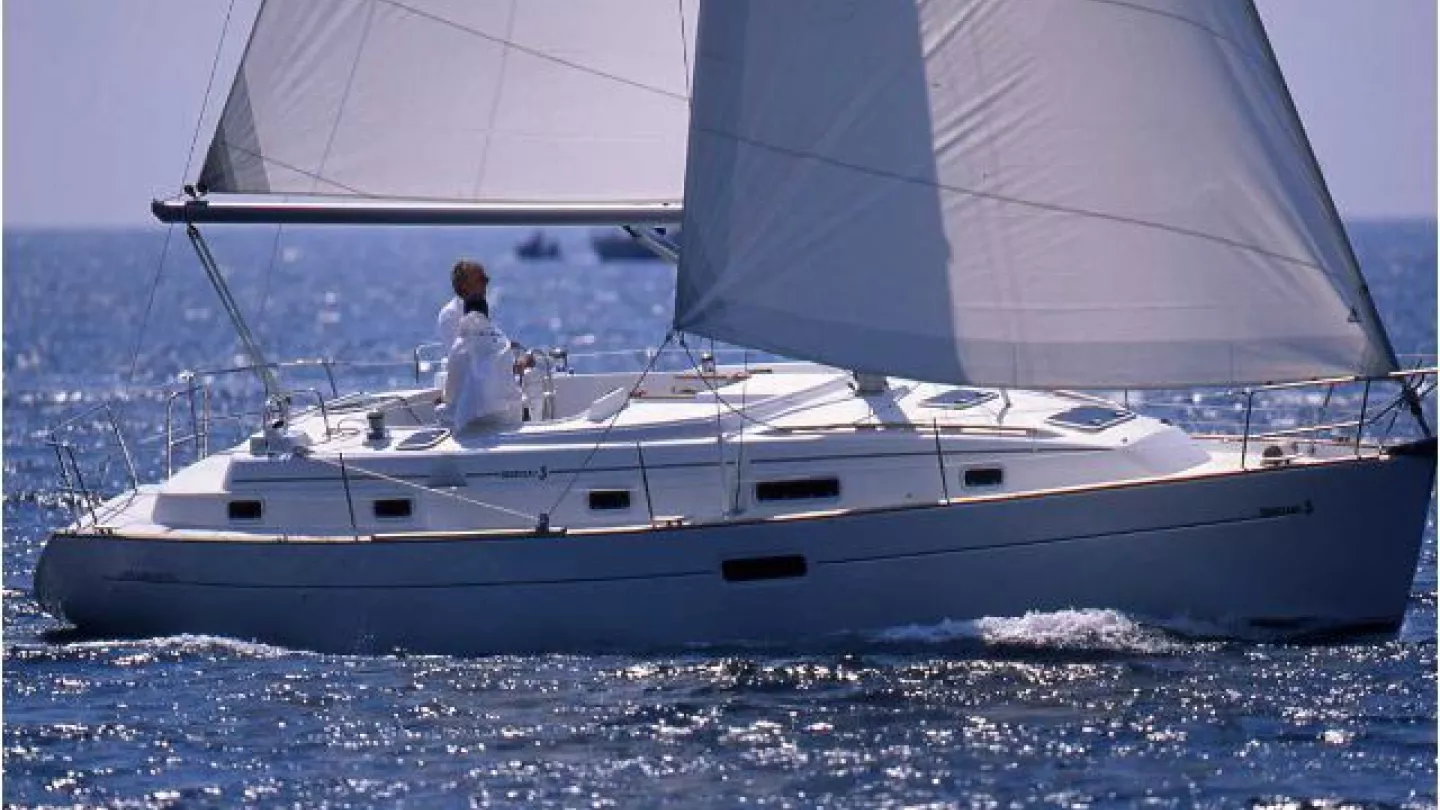
The Oceanis 36CC is a 10-meter cruiser from the Bénéteau shipyard. This sailboat, designed by Jean Berret and Olivier Racoupeau, is distinguished by its central cockpit and very spacious interior. A cruiser that prioritizes comfort and safety, in the Scandinavian style.
The Oceanis 36CC is a center cockpit cruising sailboatDesigned by the Bénéteau shipyard and drawn by the naval architecture firm Berret-Racoupeau, it was launched in 1996 and is part of the Oceanis range, focused on striking a balance between comfort and safety for families. With a hull length of 10.80 meters and a beam of 3.80 meters, It is distinguished by its fin keel, sloop rig and a design optimized for sailing with family or friendsThis model was produced until 2003, marking a pivotal period for Bénéteau, which was then rapidly expanding in the cruising sailboat market.
To remember
- Architects: Jean Berret & Olivier Racoupeau
- Production years: 1996–2003
- Length: 10.80 m
- Width: 3.80 m
- Draft: 1.55 m to 1.85 m depending on the version
- Displacement: approximately 6,500 kg
- Upwind sail area: 63 m²
- Engine: Yanmar or Volvo, 28 to 40 hp
- Number of cabins: 2 (standard version)
- Sleeping capacity: 4 to 6 people
- Construction: polyester, GRP hull and deck
- Program: coastal and offshore cruising, suitable for small crews
History of the boat
The Oceanis 36CC was born in a time when Beneteau consolidated its leading position in the production sailboat market. The Vendée-based shipyard, drawing on its experience with the First, Océanis and Idylle ranges, wanted to offer a model combining interior spaceEase of handling and robustness were key features. The choice of a central cockpit responded to a growing demand for boats offering both safety and comfort, particularly for family sailing or sailing with a small crew. The hull, designed by Berret-Racoupeau, shared some characteristics with other models from the shipyard, such as the First 36S7, but distinguished itself with more generous interior layouts and a particular focus on onboard living.
The production of the 36CC spanned seven years.with several minor updates, particularly to the interior layout and engine options. Upon its release, it was positioned against competitors such as the Dufour 36CC, the Moody 36 or the Gib’Sea 362in a highly competitive segment where versatility and value for money were key. The commercial success of the Oceanis 36CC helped to strengthen Bénéteau’s reputation as a builder of accessible, reliable sailboats suitable for a wide range of programs, from coastal cruising to offshore sailing.
Interior design
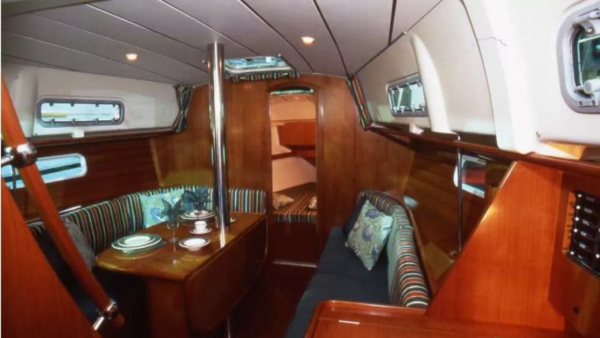
The Oceanis 36CC is characterized by a bright and functional interior, optimized for cruising comfort. The standard version offers two double cabins, including an owner’s cabin at the rear, and a bathroom with a separate shower.A spacious saloon and galley are located along the passageway. The saloon, although sometimes criticized for its modest size, offers a chart table and a convivial dining area. Storage is plentiful and well-designed, with lockers under the settees and cupboards in the cabins. The finish, typical of Beneteau boats of the era, is meticulous, featuring light woods and durable fabrics.
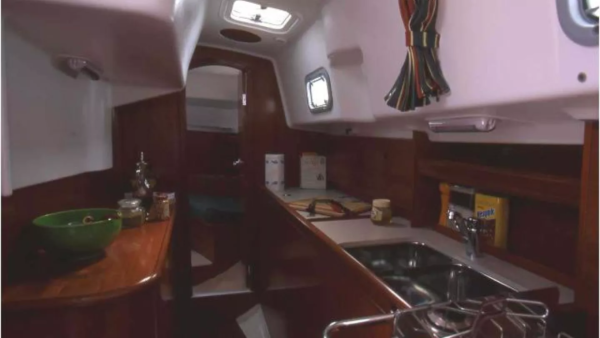
The galley, equipped with a refrigerator, sink, and gas cooktop, allows for meal preparation both at sea and at anchor. Some owners have highlighted the quality of the materials used, although the deck hardware and certain finishing details were sometimes considered somewhat basic compared to higher-end models. The “Clipper” version, which appeared in 2000, brought improvements in ergonomics and standard equipment.such as a bow thruster or furling sails, further enhancing the appeal of the model for cruisers.
Marine qualities
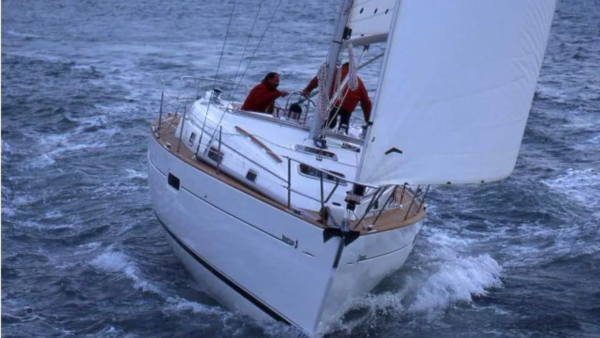
On the water, the Oceanis 36CC proves to be a well-balanced sailboat, easy to maneuver and reassuring in rough weather. winged keel gives it good stability, while its rigging The sloop’s generous sail area allows for respectable performance, especially downwind. Experience highlights its seaworthiness, even in rough conditions, and its ease of handling, even for inexperienced crews. However, its upwind performance is sometimes considered limited, mainly due to its moderate draft and hull design, which prioritizes comfort.
Owners particularly appreciate the safety offered by the central cockpit, well protected by a coachroof and windshield, as well as the visibility from the helm. The boat is also renowned for its stability at anchor and its predictable handling under sail and power. Some have noted a tendency to heel in strong winds, but this remains manageable thanks to proper sail trim and good weight distribution on board.
Owner reviews
Owner feedback is generally very positive. Many highlight the comfort, safety, and versatility of the 36CC, as well as its capacity to carry equipment and provisions for extended cruises. Some, however, point out the saloon is a bit cramped for six people, or the need to modernize the sails and deck hardware to improve performance. Several testimonials confirm that the boat is suitable for ambitious projects, such as transatlantic crossings or circumnavigations, provided it is well prepared and maintained.
One owner sums it up: “It’s an owner’s boat, ideal for two to four people. The cockpit is small, but everything is within easy reach. The aft cabin is spacious, and the feeling of security in rough seas is remarkable.” Others emphasize the robustness of the hull and the ease of maintenance, as well as the availability of spare parts, a significant advantage for a production sailboat.
Oceanis 36CC Technical Specifications
| Category | Value |
|---|---|
| Architect | Jean Berret & Olivier Racoupeau |
| Construction site | Beneteau (France) |
| Years of production | 1996–2003 |
| Hull length | 10.80 m |
| Overall length | 11.10 m |
| Width | 3.80 m |
| Draft | 1.55 m to 1.85 m |
| Shift | 6,500 kg |
| Ballast | 1900 kg |
| Upwind sail area | 63 m² |
| Sail area downwind | 115 m² (with asymmetric spinnaker) |
| Rigging | Split sloop |
| Motorization | Yanmar 3GM30F (29 hp) or Volvo MD2030 (28 hp), Volvo 2040 (40 hp) |
| Water capacity | 200 to 400 liters |
| Fuel capacity | 100 to 150 liters |
| Number of cabins | 2 (standard version) |
| Beds | 4 to 6 |
| Bathroom | one |
| Shell material | Polyester (GRP) |
| Deck material | Polyester (GRP) |
| Keel | Winged keel, can be propped up |
| Bow thruster | Optional |
| Height under bar | 1.90 m |
| CE category | A (offshore) |